


Apart from severely disrupting air traffic through Middle Eastern hubs in the UAE and Qatar, the conflict has resulted in the closure of the Strait of Hormuz, through which about 20 per cent of the world’s oil travels. This has caused the price of oil – and therefore aviation fuel – to rise significantly, as well as prompting fears of fuel shortages.
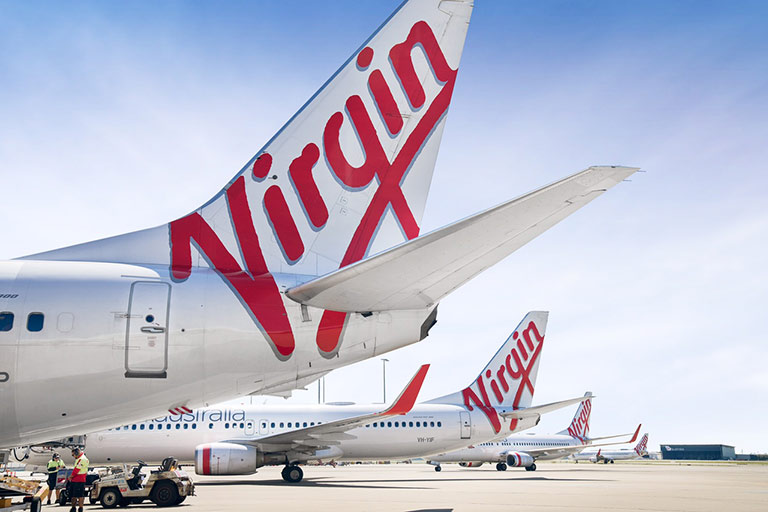
With this as the global backdrop, Virgin Australia says it has already adjusted fares and its capacity in the second half of the financial year, with domestic capacity expected to drop by one per cent in the final quarter of the financial year, following a four per cent increase in the first half of the year and a three per cent capacity increase in Q3.
In a share market update on Wednesday morning, Virgin Australia noted that the cost of jet fuel has been “extremely volatile”, but that the airline has been largely protected from the rising price in the near term as it has hedged 92 per cent of its crude oil supply and more than two thirds of its refining costs – essentially keeping those prices fixed.
As a result, Virgin Australia is predicting a $30-$40 million increase in its fuel costs. This contrasts with Qantas yesterday, which estimated it could see fuel costs rise by $800 million for the second half of the financial year.
Virgin Australia has cancelled all of its services to Doha in Qatar until mid-June, however it said on Wednesday that due to the wet lease arrangement Virgin has with Qatar Airways, the airline would not take a material financial hit from the extended pause to their longest-haul international services.