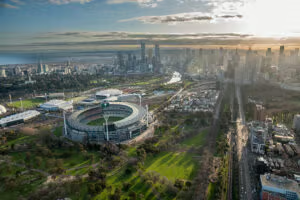



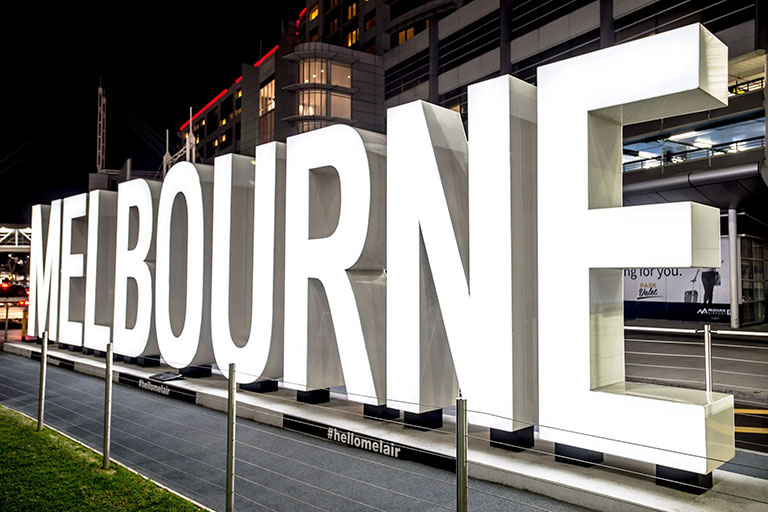
“We’re investing $7.5 billion dollars of private money to deliver a third runway and expand Melbourne’s international terminal to cater for growing demand and improve the experience for passengers,” said Melbourne Airport CEO Lorie Argus.
“As we modernise our airport, we will continue partnering with the federal government to modernise the border and invest in technology that can deliver a faster, more seamless arrival experience for international travellers.
“Our international passenger numbers have doubled in the past 10 years but our Border Force kiosk numbers have remained the same, and the international arrivals experience has become one of our biggest passenger pain points.
“Even with the current global uncertainty, we know we need to invest in the future and build for the long term,” she said.
In a surprise move that was met with emphatic displeasure by the travel and business events industry, last week the Australian Government announced it would increase the Passenger Movement Charge, applied to every traveller departing Australia, from $70 to $80 per person from next January.
Melbourne Airport’s stance on reinvesting the tax into the travel ecosystem comes as the airport reported a 7.1 per cent drop in international passengers in April 2026, compared to the same month the previous year, driven by a 67.6 per cent drop in air capacity between Melbourne and the UAE and Qatar, as a result of the conflict in the Middle East.
The airport said the massive fall in capacity from the region had been “somewhat offset” by additional capacity on Singapore Airlines and China Southern Airlines, alongside more passengers travelling on existing services.
“Flights from the Middle East are progressively returning and schedules are stabilising, with Emirates now flying twice a day between Melbourne and Dubai and Qatar Airways operating double daily flights to Doha from June,” said Argus.
“While this is down on what was being flown before the Middle East conflict began, it represents a welcome return of stability to operations through some of our most important global hubs.”