

Penang in Malaysia and Chiang Mai in Thailand exemplify this trend.
Each city’s unique cultural and destination strengths offer event organisers and participants bespoke and authentic experiences, supported by modern event facilities, cost competitiveness and an industry inviting planners to experience the road less travelled.
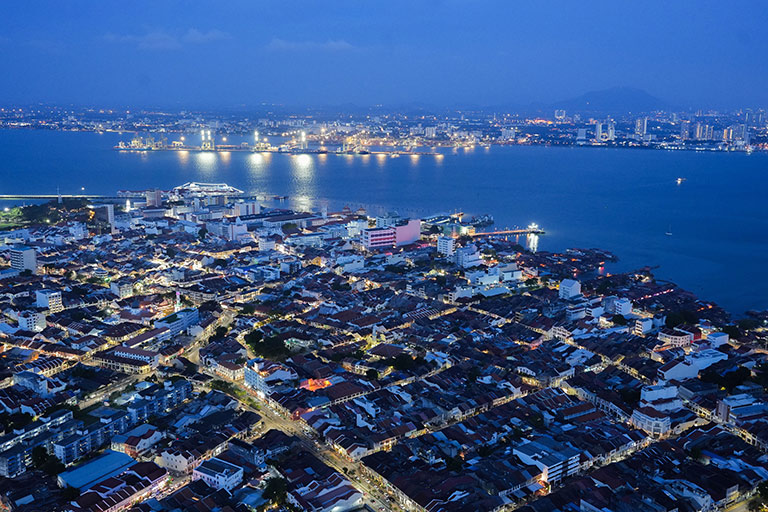
Penang stands out: its business events sector has logged three straight years of strong growth since the pandemic ended. The Penang Convention and Exhibition Bureau (PCEB) reported that the Malaysian state hosted 3,391 business events in 2025, attracting more than 451,000 delegates and generating RM1.91 billion (AU$668.67 million), contributing almost half of Malaysia’s total business events economic impact despite not being the country’s capital.
The city’s winning formula is almost organic. Home to more than 400 multinational corporations and almost 40 per cent of Malaysia’s semiconductor production, Penang attracts technology conferences, supplier meetings and trade exhibitions. It is also a popular incentive travel destination.
Beyond business, Penang’s multicultural and charming heritage identity, thriving food scene and modern event facilities offer delegates a vibrant cultural and culinary experience.
“Penang is both a UNESCO Heritage Site as well as a UNESCO Biodiversity Sphere Reserve today, thanks to strong government-civil society dynamics,” says Dato’ Dr Ooi Kee Beng, the executive director for the Penang Institute.
“This has helped bring recognition to historical sites throughout Malaysia in areas of archaeology, urban history and regional connectivity.”
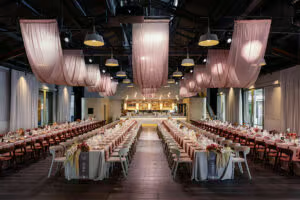
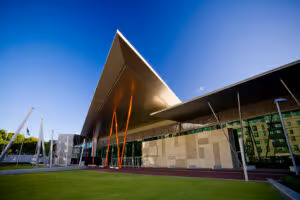
Investment is also keeping pace with demand. The Penang Waterfront Convention Centre opened in late 2025 and more than 2,000 new, upscale hotel rooms and a major airport expansion are expected to significantly boost capacity over the next few years.
Meanwhile, Chiang Mai is well positioned to strengthen its role as Thailand’s second-largest destination for international conferences after Bangkok, supported by Thailand Convention and Exhibition Bureau (TCEB)’s “Meet Well” strategy that combines business events with digital innovation, creative industries and cultural and nature-based experiences.
This northern city offers substantial event capacity through the 60,000m2 Chiang Mai Exhibition and Convention Centre, while long-term plans to expand Chiang Mai International Airport will strengthen the city’s international accessibility.
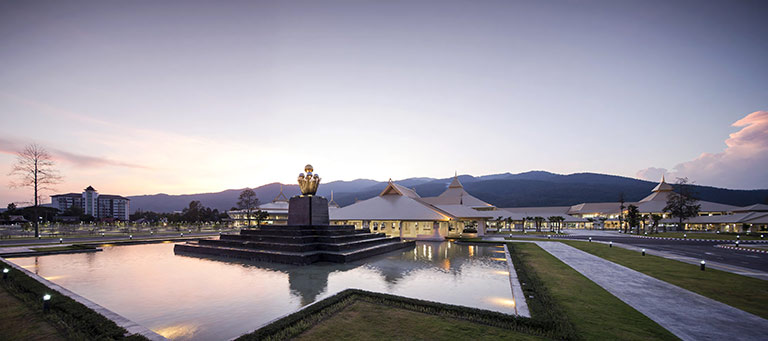
According to the International Congress and Convention Association (ICCA), Chiang Mai was ranked 151 in the world for international association meetings in 2025, hosting 18 qualifying meetings, while about 10 conferences have already been recorded for 2026. These figures demonstrate not only sustained growth but also Chiang Mai’s increasing competitiveness in the global meetings market.
“From hosting internationally recognised conferences that have earned Chiang Mai a place in the ICCA rankings, to world-renowned festivals that attract loyal global audiences, immersive cultural experiences, major international events and a new generation of home-grown festivals celebrating both cultural creativity and contemporary lifestyles, Chiang Mai continues to demonstrate its ability to inspire, engage and deliver value for every event,” says TCEB president Supawan Teerarat.
However, rapid growth must be matched by long-term resilience. Penang faces increasing pressure on hotel inventory and airport capacity until expansion projects are completed in 2028. Chiang Mai continues to face limited direct international connectivity and recurring haze during the late dry-season peak travel months, especially between February and April.
Nonetheless, such challenges are unlikely to derail the momentum. Instead, they highlight a broader trend across Southeast Asia’s business events industry. Organisers are increasingly selecting destinations based on stronger alignment with industry sectors, richer delegate experiences and clearer event outcomes.
Cities such as Penang and Chiang Mai are well positioned as strategic complements to their capital cities, Kuala Lumpur and Bangkok. When combined, they contribute to the host country’s economic prosperity and enhance the delegate experience.