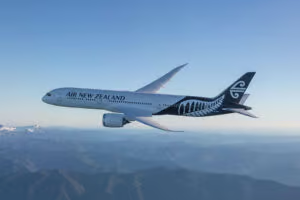


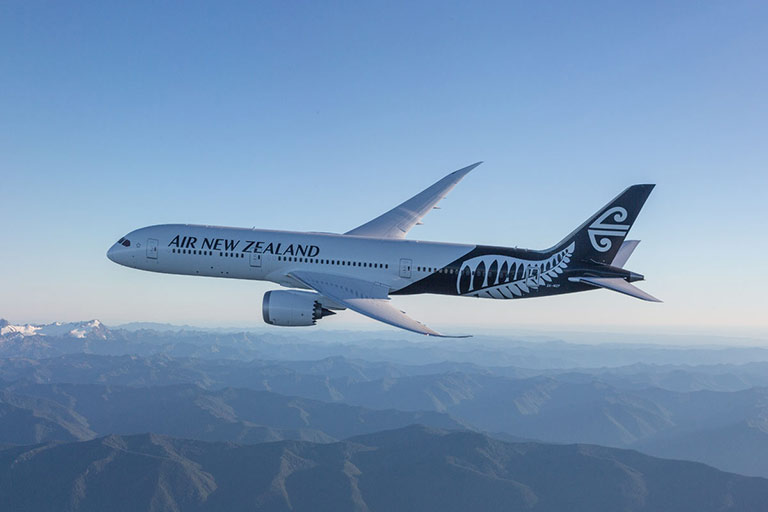
The storage of Air New Zealand’s Dreamliners was the result of a shortage of engines for the aircraft that has been going on for several years and has forced the carrier to suspend operation on at least one North American route for over two years.
“With the completion of our retrofit program and the delivery of our two new Boeing 787-9 aircraft by the end of this year, we’ll see targeted growth in wide-body capacity over the next two years,” said Air New Zealand’s fleet general manager, Baden Smith.
“This additional capacity opens up opportunities across our network, including our recently announced services between Christchurch and Singapore, Tokyo and Perth.
“As the country’s national airline our focus isn’t just growth; it’s building a resilient, future-fit airline that keeps New Zealand connected to the world. Every aircraft we return to the fleet strengthens our ability to connect people, support trade and grow tourism.”
According to the airline’s fleet project lead, Robert Cox, having the aircraft in storage presented its own set of issues.
“The challenge wasn’t just finding somewhere to store the aircraft,” said Cox.
“We needed to keep them maintained, protect the condition of the fleet and keep the engine overhaul program moving so we could get these aircraft back into service for our customers as soon as possible.
“Long-term aircraft parking is limited in Auckland and New Zealand’s climate isn’t ideal for extended aircraft storage, so Alice Springs became the preferred location for the grounded Dreamliners.”
“Carrying out engine changes in Alice Springs was a significant logistical challenge, but it helped us get engines into the shop at least six months earlier than if they had remained on the aircraft.”
At one point during the multi-year, worldwide Rolls-Royce Trent 1000 engine shortage, Air New Zealand had five of its 14 Boeing 787-9 aircraft out of service.