




First, the overwhelming popularity of Aperol spritzes, which seem to be appearing from thin air in a coordinated attempt to bring European holidays back home. The second is delight – and a few stifled yawns – about how busy everyone has been this year planning and hosting all manner of events.
Yes, the industry that globally lost $1.9 trillion over three years of the pandemic is roaring back to life. Our recent survey of venues across Australia and New Zealand found an overwhelming anticipation that events will continue to grow over the next year.
But alongside this, figures from the Australian Bureau of Statistics suggest a decline in the number of dedicated event planners, particularly in Victoria.
Our research shows event planning isn’t slowing down, it’s just being absorbed into the already full workloads of others. One third of those now responsible for planning events are executive or personal assistants – representing the biggest group. Marketing professionals account for 15 per cent, and senior leaders – including CEOs, directors and general managers – make up another 10 per cent.
It doesn’t make sense to leave these professionals stretched thin and floundering, compromising both their core responsibilities and the quality of the events they’re producing.
Event planning is a specialised discipline that demands creativity, logistics, relationship management and negotiation. You need a knowledge of sound and lighting, interior design, dietary and cultural sensitivities, meteorology and feng shui – and often all at once.
If we want to see the industry evolve and gain recognition as part of Australia’s creative economy, as outlined in a recent submission to a Senate inquiry, then we need a group of professionals that have the resources to create and grow – not one that is struggling to stay afloat.
Technology can help fill that gap. Our survey revealed that 91 per cent of venues are still not using AI to manage event enquiries, and 53 per cent of corporate customers aren’t using it to find venues or organise or manage events. And while there’s a knee-jerk aversion to the unknown, there’s no logical reason for this lag.
AI isn’t the cyborg from The Terminator coming to ruin our lives. Used appropriately, it’s a trusty sidekick that can make our days easier. As well as automating admin it can create event checklists, compare and contact venues, and even help to negotiate quotes. Used in these ways AI isn’t taking over job roles, but freeing up time and energy for event planners to develop professionally, make interpersonal connections and improve output.
It’s also a key step in making the industry more attractive to the next generation.
Generation Z is digitally-led, due in large part to finishing school, studying and graduating online. A quick scan around any room of young people, as well as consistent research, confirms how naturally younger people are using these technologies.
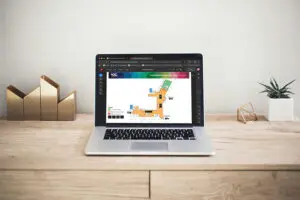
By 2030, along with millennials, they will represent almost three quarters of the workforce. To bring these professionals into the fold, the events sector needs to embrace their digital preferences. That could mean venues offering 3D virtual tours alongside physical site inspections, facilitating hybrid networking opportunities and encouraging unrestricted exploration of AI and machine learning for both easing workloads and brainstorming ideas.
The Australian events industry has been responsible for cultural triumphs such as World Expo 88. It has adapted to changing trends and interruptions and thrived both creatively and economically. We cannot place the responsibility of rebounding, growing and competing on a world stage squarely on the shoulders of the time-poor and weary.
There’s no reason we should stand in our own way when there are solutions that exist to make life easier. It’s time to make use of the technology already at our fingertips – to source ideas, attract new talent and to align to the digital preferences of the next generation to build a steady pipeline of professionals for tomorrow.
Then we will have the chance to relax a bit and enjoy that Aperol spritz.
Jake Dimarco is CEO of Sydney-based startup VenueNow, a venue finding platform that uses AI-driven technology to take the complication out of finding and booking venues. It’s been trusted by global leaders like Amazon, Google and L’Oréal, and backed by top entrepreneurs including Adam Schwab (Luxury Escapes) and Les Szekely.