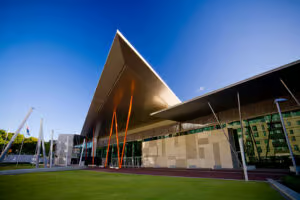


The meeting is expected to draw between 1,000 and 1,200 delegates to New Zealand’s newest and largest convention centre in central Auckland.
Coordination chemistry has a broad influence, helping to create new medicines, new materials, new renewable energy tech and better manufacturing processes.
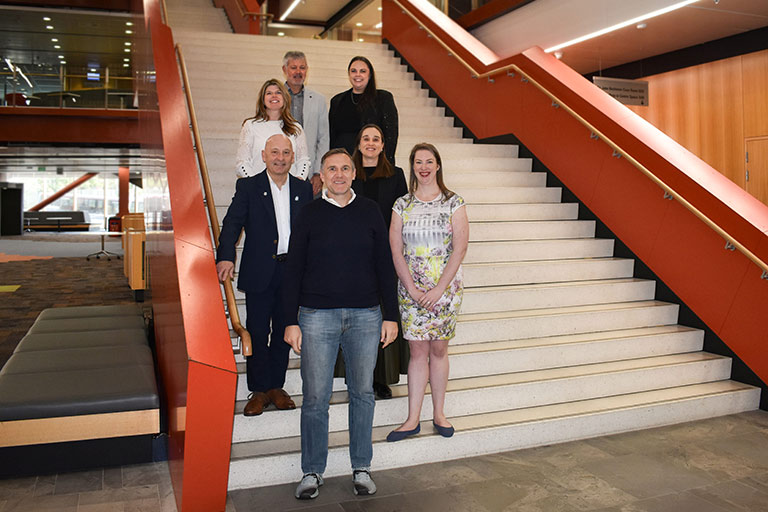
The bid for the event was led by Professor Christian Hartinger from the University of Auckland, with the hosting proposal highlighting New Zealand’s coordination chemistry credentials. The bid was also bolstered by the international reputations of those on the bidding team and the significant number of New Zealand academics and students attending the most recent iteration of the conference in Denmark.
Hartinger was supported by several other academics from two other universities, including co-chairs Professor Sally Brooker and Professor James Crowley from the University of Otago, and Professor Robin Fulton from Victoria University of Wellington.
From the business events side, the bid had support from Tourism New Zealand Business Events, Auckland Convention Bureau and the NZICC.
“This was a genuine all-of-New Zealand effort,” said Hartinger.
“Our bid showcased not only the quality of coordination chemistry research being undertaken across the country, but also the collaborative nature of New Zealand science and our engagement with the international research community.
“ICCC50 represents much more than a conference. It is an opportunity to inspire the next generation of coordination chemists, strengthen international partnerships and showcase New Zealand’s research excellence, innovation and unique culture to colleagues from around the world.
“We look forward to welcoming delegates to Auckland and creating connections that will benefit researchers, institutions and scientific collaboration long after the conference concludes.”
Prior to the delivery of ICCC50 in Auckland in 2034, the University of Auckland and Hartinger will host the Asian Coordination Chemistry Conference (ACCC12) in 2028.