



The pause in the conflict will see the Strait of Hormuz reopen as a condition of the deal, allowing oil tankers to pass through again.
The closure of the strait has caused global oil prices to jump and sparked fears of fuel shortages around the world. In Australia this fear has already seen petrol prices rise and some petrol stations run short of fuel.
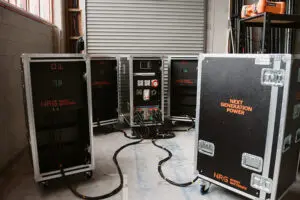
The impact of fuel shortages on business events has the potential to be immense, raising costs of flights, event logistics and food and beverage.
The Australian Business Events Association (ABEA) has already been hearing from industry regarding the effects of the war, which began at the end of February.
“Industry feedback has included incidences where to manage risk, suppliers are acting cautiously, including purchasing earlier than usual to avoid shortages, building larger cost buffers into event budgets, and looking at alternatives around international speaker access and travel,” said ABEA CEO, Melissa Brown in a media statement last week.
The association is also calling on industry businesses to share how the conflict has impacted their work and what support might be helpful as it joins with other visitor economy bodies to advocate to government.
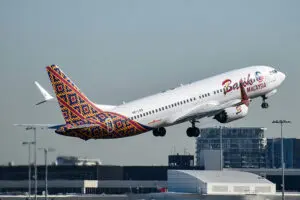
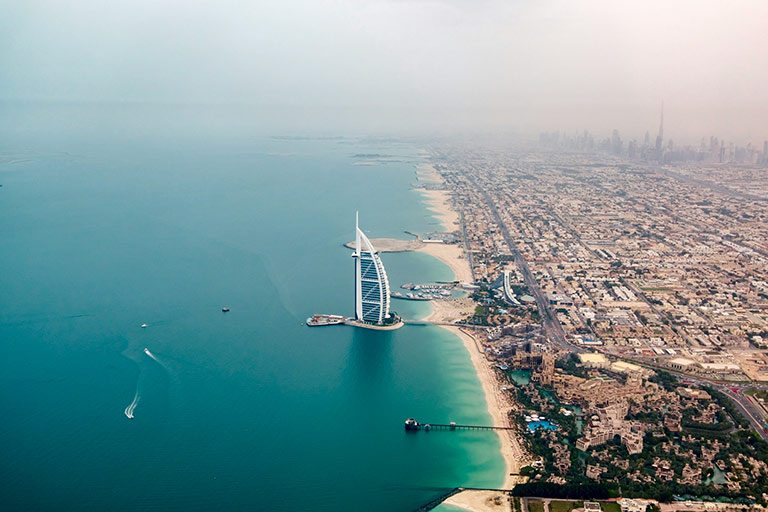
With major Middle Eastern aviation hubs in the United Arab Emirates and Qatar caught up in the conflict, international flights have been significantly disrupted, particularly between Australasia and Europe, for which the Middle East is a key connecting destination. This has been accompanied by concerns over the safety of flying through the Middle East.
On top of this, according to multiple insurers, with the Australian Government issuing do not travel advice for most of the Middle East region through Smart Traveller, travel insurance for those connecting through the Middle East will not cover claims relating to delays caused by the conflict.
It remains to be seen whether negotiations expected to take place over the two-week ceasefire will lead to a permanent end to the conflict or whether this will be just a temporary reprieve.
Even if the Strait of Hormuz is only temporarily open, it should, in the short term, ease fuel shortages and therefore price rises on transport reliant industries, including business events.