



Instead of being squeezed onto a bench in haphazard height order, shoulders touching and eyes squinting at the camera flash, each student was photographed individually and stitched together afterwards into a perfectly balanced image.
The internet hated it.
The story reminded me that at our core, people don’t want frictionless, AI-generated perfection, but the real and awkward moments that make up the human experience.
There’s no group that understands this more than the events industry, whose entire purpose is to lay the groundwork for meaningful in-person connections. Somewhat unsurprisingly, the industry has met the AI revolution with a mixture of skepticism and resistance.
Our recent Annual Outlook Survey found nearly half of Australians and New Zealanders who plan events as part of their day job aren’t sure if they’ll use AI this year, and almost a third don’t plan on using it at all. Ever.
Alongside this, event planners said their biggest goal going into 2026 was doing away with cookie-cutter events and creating something that feels more original.
This makes complete sense. In a world where robots are creating and assessing work without human input, leading to a perceived shrinking of original thought, people are reminiscing about a world with a real and genuine heart.
The evidence is everywhere. Analogue media such as physical books are having a moment, people are spinning vinyls and snapping moments with disposable cameras, and even typos are in vogue.
But the real pressure planners are dealing with right now isn’t a lack of creativity, it’s a lack of time.
Our survey found 87 per cent of respondents plan events alongside their primary roles. Executive assistants, office managers and admin workers are already juggling competing priorities, yet they’re expected to deliver increasingly complex events at speed.
Expectations also continue to accelerate. More than three-quarters of planners expect a venue to respond within 24 hours. Everyone wants efficiency, but no one has fewer meetings or fewer emails.
When people are stretched thin, they default to safe choices. Not because they lack creativity, but because experimentation requires mental space.
This is where the AI conversation has been getting it wrong. The question shouldn’t be whether AI replaces creativity, but whether it can remove the roadblocks preventing it. Because of the widespread lack of time, avoiding technology altogether may lead to more generic events, not fewer.
Comparing venues and suppliers, drafting logistics emails or assembling early plans are tasks that can consume hours without necessarily making an event more meaningful.
People don’t remember the perfectly formatted itinerary or the exact wording on a slide deck, but the conversations they have while waiting for coffee, the unexpected introductions, the meandering chats that spark ideas and turn into real opportunities.
It’s also worth noting that as younger professionals enter the workforce with expectations shaped by speed and digital tools, the industry will need to evolve if it wants to remain attractive to future talent.
Those AI-generated class photos weren’t rejected because technology is flawed, but rather because something real had been flattened.
Maybe that’s where the conversation gets lost. The goal isn’t to fix everything to the point it’s not human anymore, but rather to take enough pressure off planners so they can focus on the parts that can’t be automated.
In other words, AI shouldn’t fix the wonky tie in the school photo, it should give us the time to notice and smile at it together.
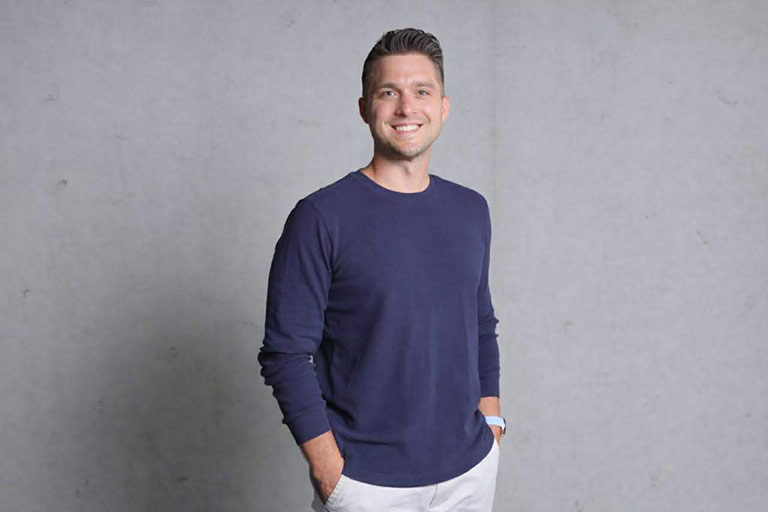
Jake Dimarco is CEO of Sydney-based startup VenueNow, a venue finding platform that uses AI-driven technology to take the complication out of finding and booking venues. It’s been trusted by global leaders like Amazon, Google and L’Oréal, and backed by top entrepreneurs including Adam Schwab (Luxury Escapes) and Les Szekely.